




Selecting the right lens for your smart glasses directly influences both visual clarity and comfort. Different lighting environments, digital use, and outdoor conditions determine which lens type best suits your needs. This guide offers a clear overview of Polarized, Gradient, and Transitions lenses — explaining how each works, what makes them unique, and the benefits they bring to everyday use.
Main Lens Technologies Used in Smart Glasses
There are three main lens technologies commonly used in smart glasses: Polarized, Gradient, and Transitions.
Polarized lenses:
- Reduce glare and reflections, providing clearer vision in bright environments.
Gradient lenses:
- Feature a darker top and lighter bottom, filtering light gradually for a balanced visual experience.
Transitions lenses:
- Automatically adjust their tint depending on the lighting, offering comfort and clarity both indoors and outdoors.
A New Era of Smart Glasses with Ray-Ban
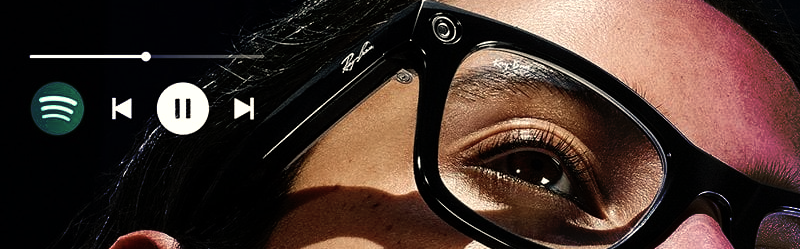
Ray-Ban, one of the most recognized eyewear brands in the world, combines its timeless design philosophy with modern innovation to introduce a new era in smart glasses. The brand’s smart eyewear series blends fashion and functionality, offering users both elegance and technology in perfect balance. These glasses are not just accessories but an active part of everyday life. With advanced lens technologies such as Polarized, Gradient, and Transitions, Ray-Ban Smart Glasses deliver clear vision, comfort, and a stylish experience in any environment.
The Importance of Lens Technology in Smart Glasses
Lens technology in smart glasses plays a crucial role not only in visual quality but also in the overall user experience. The right lens choice protects the eyes from harmful light while enhancing color perception, contrast, and clarity. During prolonged use, high-quality lenses help reduce eye strain and provide lasting comfort. Advanced lens innovations transform smart glasses from a simple fashion accessory into a practical piece of everyday technology. This combination allows users to maintain sharp vision while adapting seamlessly to different environments.
Clear Lens
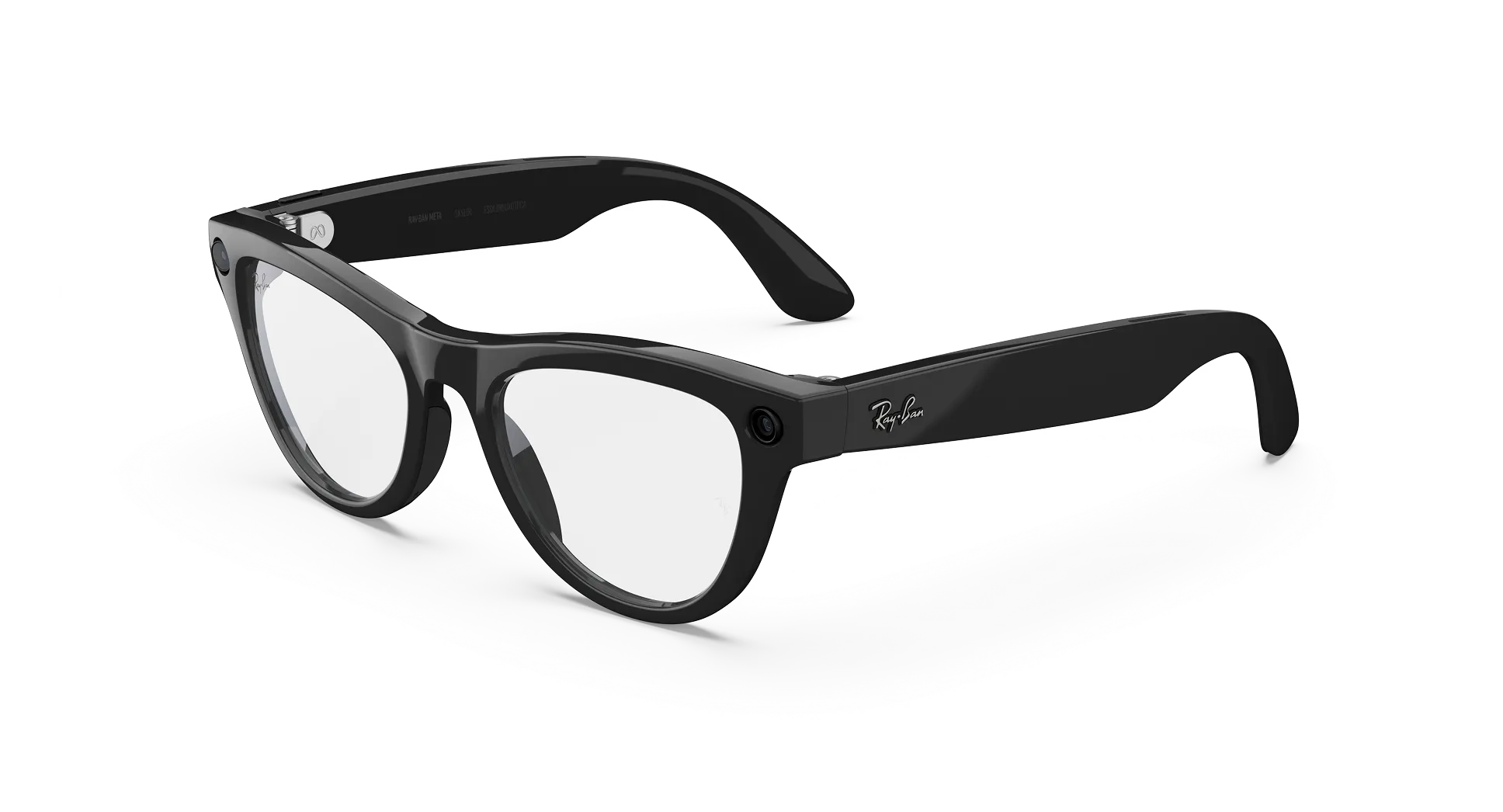
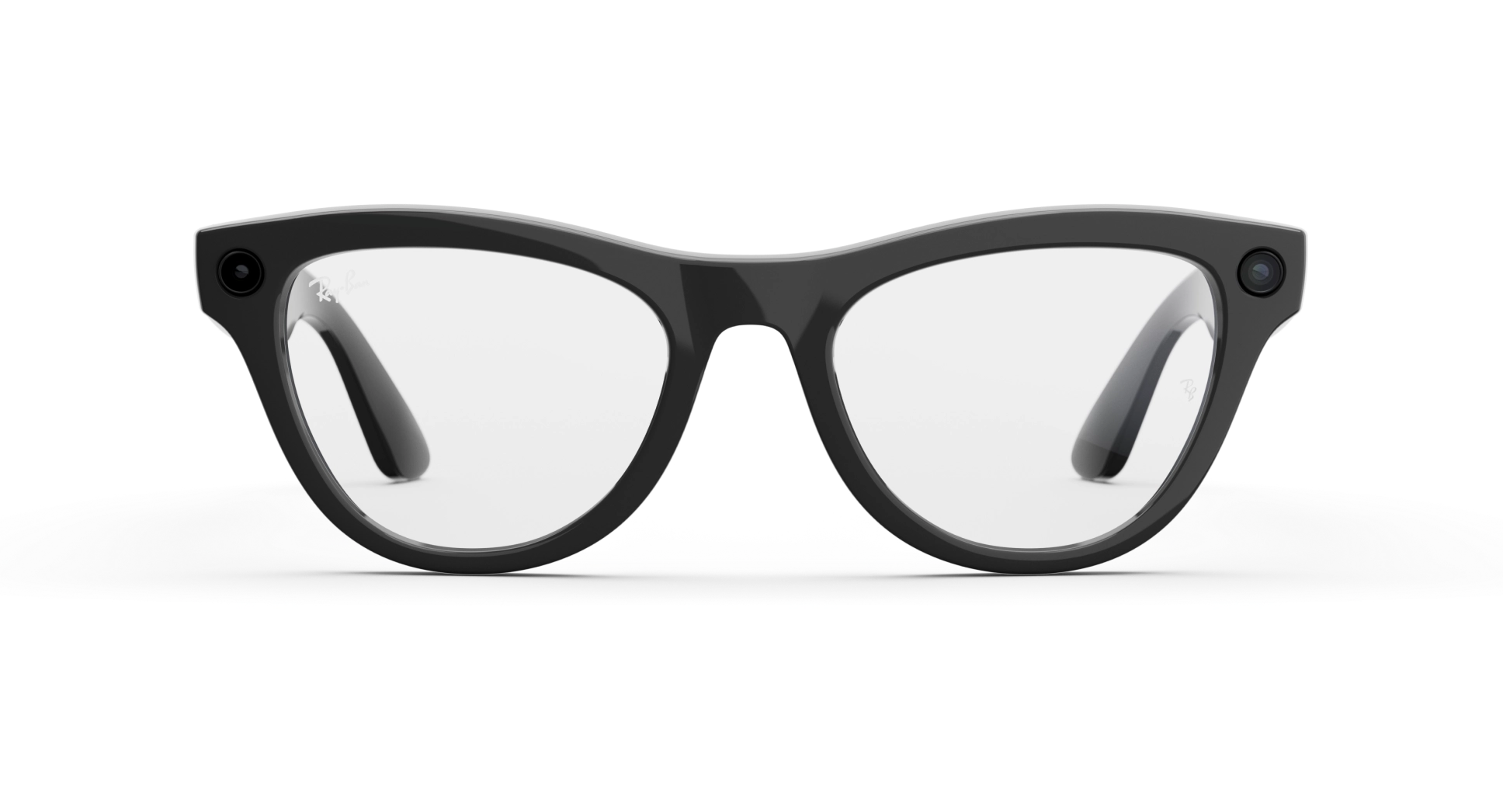
Clear lenses provide the highest level of light transmission and maintain natural color perception. In smart glasses, they are ideal for indoor use or extended screen time, offering comfort and clarity. When combined with a blue light filter, they help reduce eye strain during long hours of digital use.
Polarized Lens – Anti-Glare and Reflection Technology
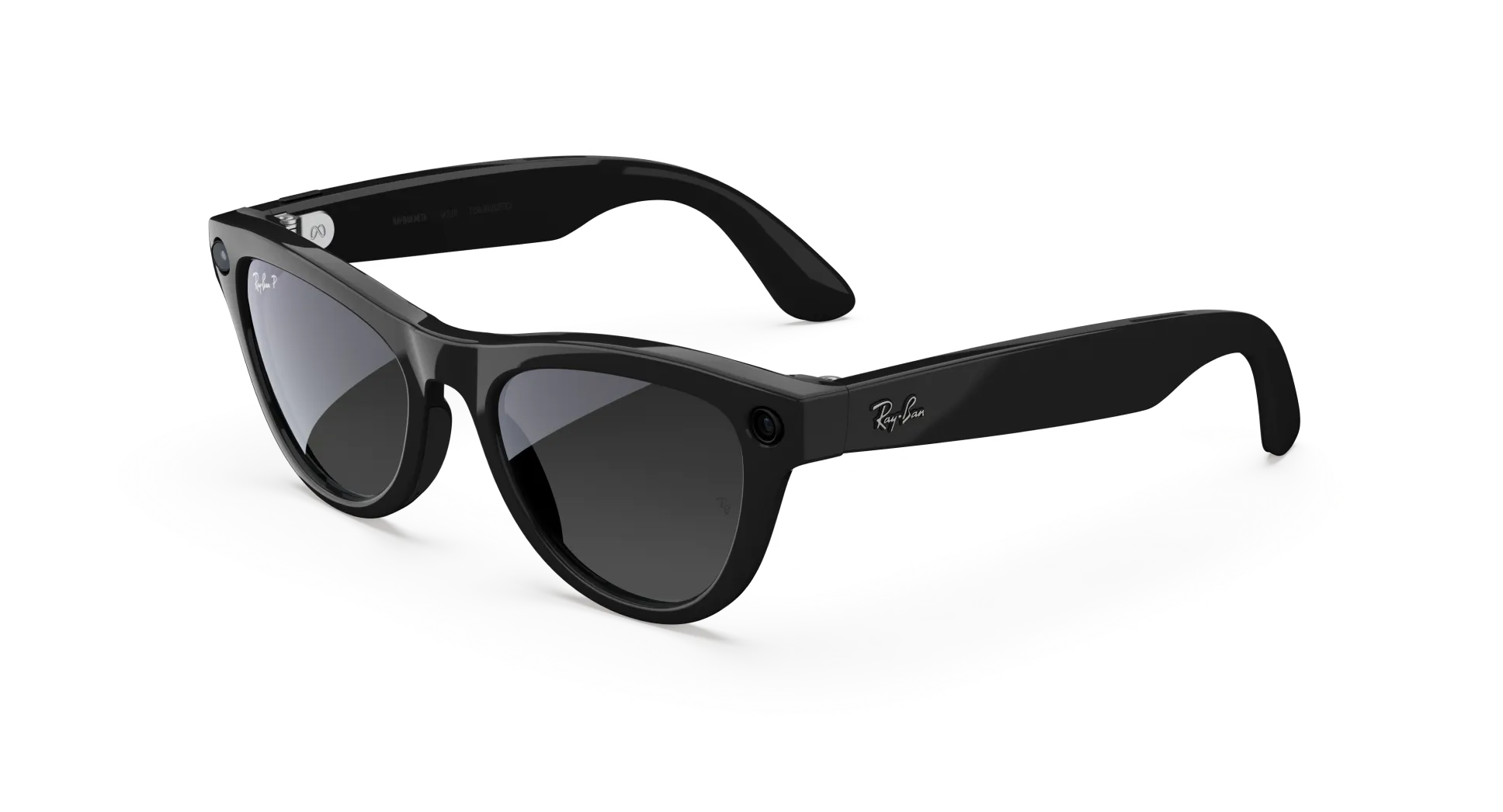
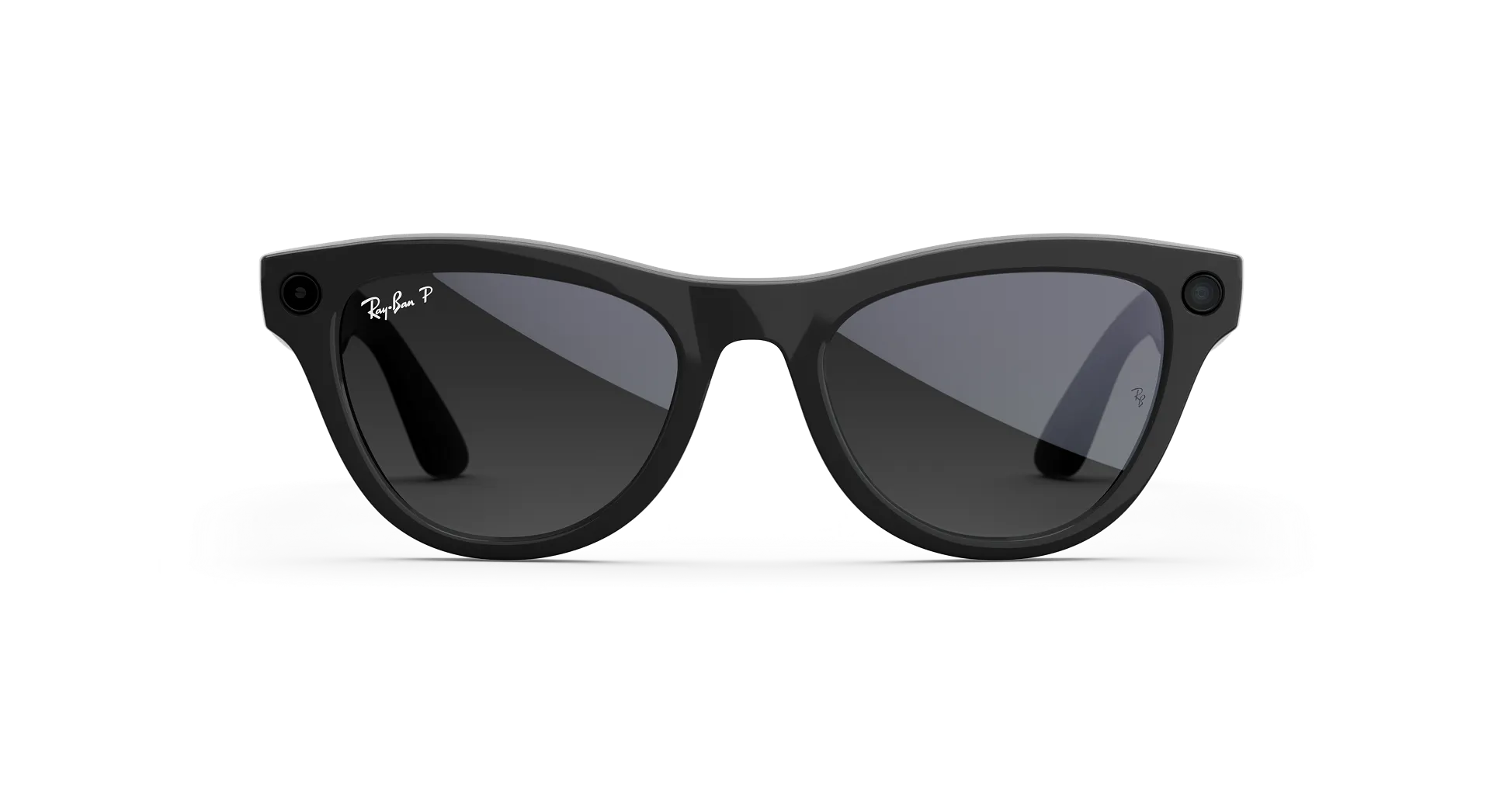
Polarized lenses reduce glare and reflections, especially in outdoor environments. They minimize light bounce from surfaces such as water, glass, or asphalt, ensuring sharper vision and less eye fatigue. These lenses are perfect for driving, beach activities, or any bright outdoor setting.
Transitions Lens – Light-Adaptive Technology
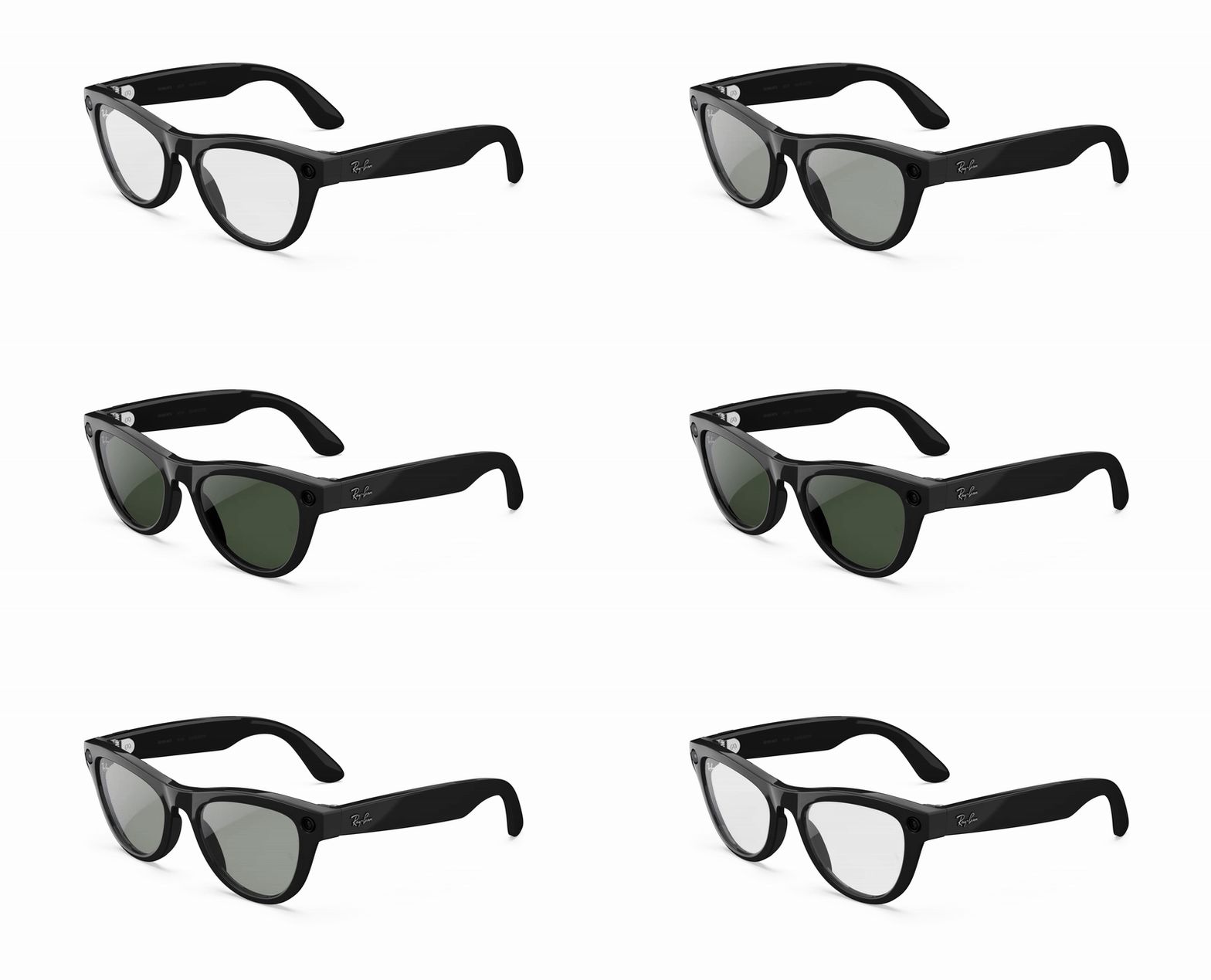
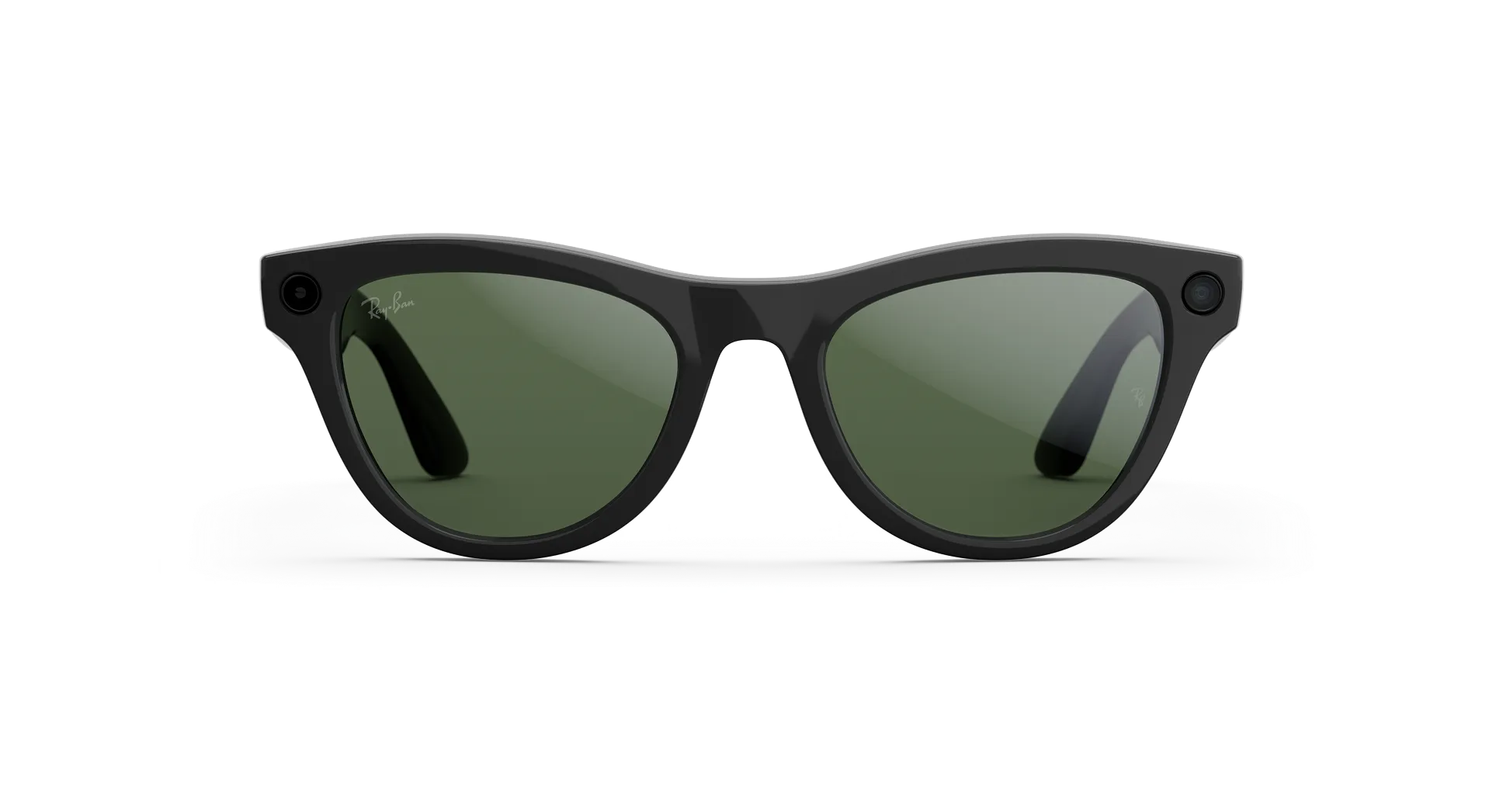
Transitions lenses automatically adjust their tint according to lighting conditions. When exposed to sunlight, they darken to protect against UV rays, and when indoors, they gradually return to a clear state. This intelligent design provides consistent comfort without the need to switch between different glasses.
Gradient Lens – Gradual Light Filtering
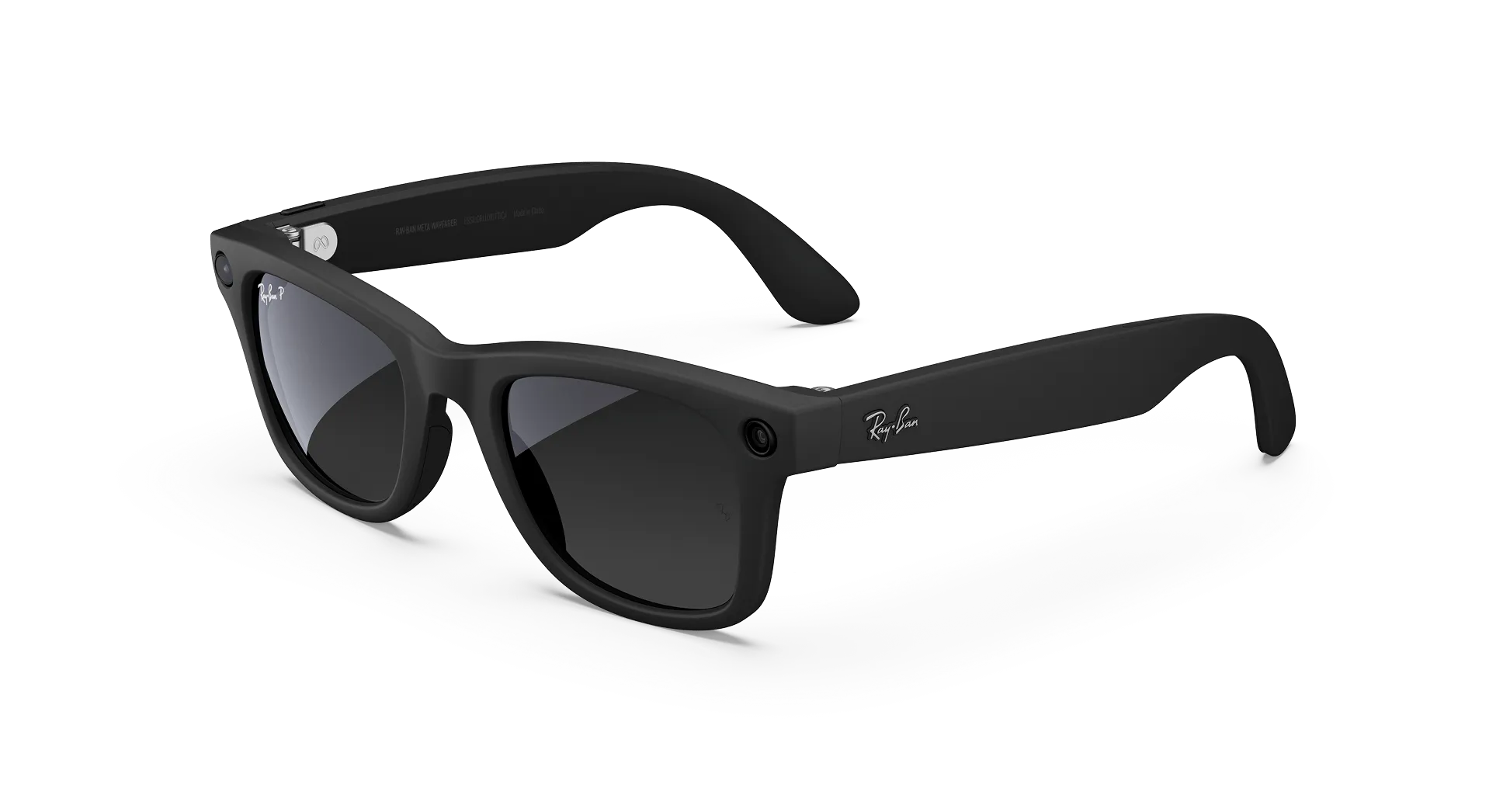
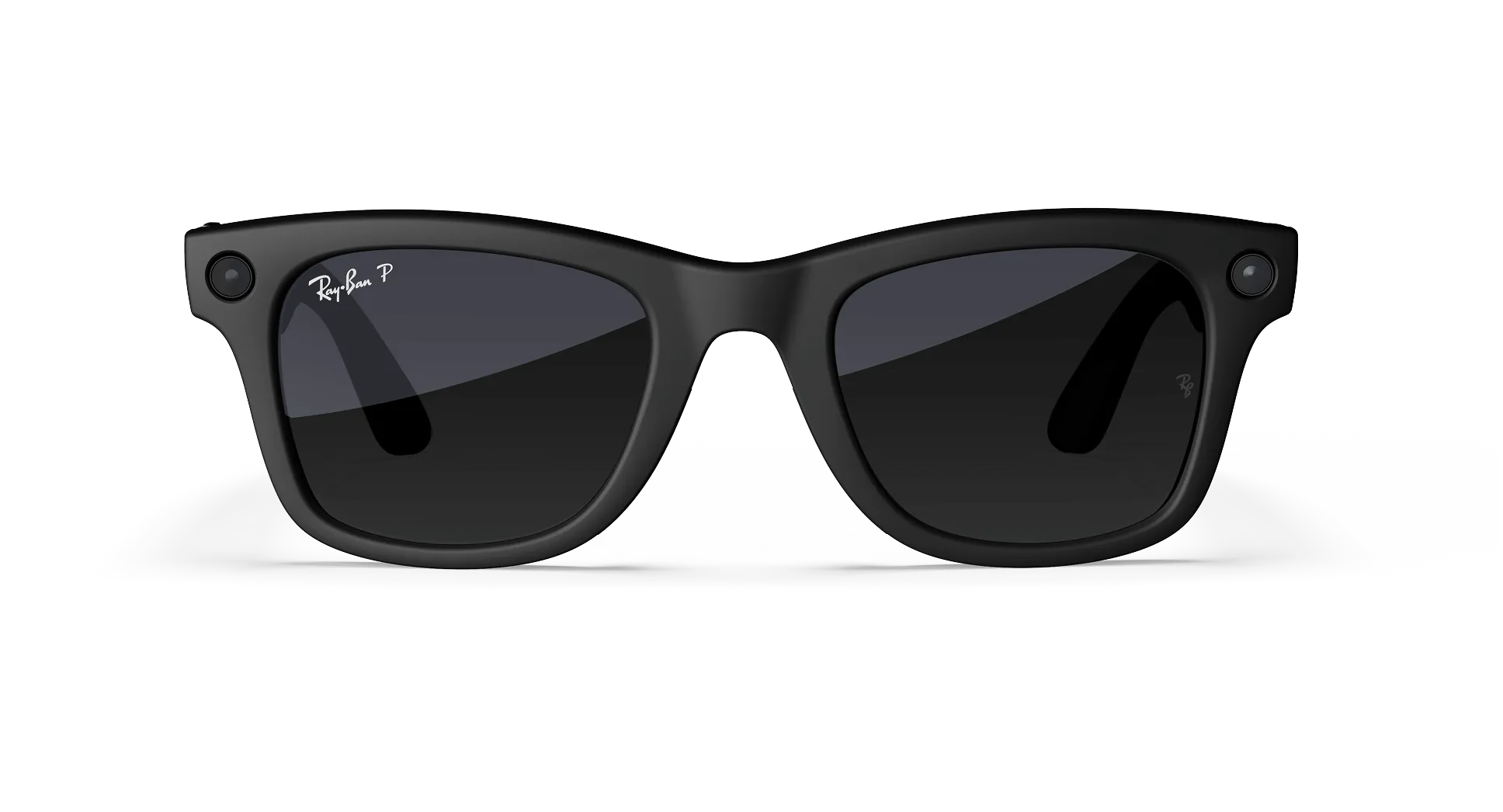
Gradient lenses feature a darker top and lighter bottom, offering protection from direct sunlight while maintaining brightness in lower viewing areas. They balance functionality and style, making them ideal for everyday urban use where changing light conditions are common.
What to Consider When Choosing a Lens Type
Choosing the right lens type is essential for getting the best performance from smart glasses. Each lens technology serves a different purpose and lighting condition. For those who spend long hours outdoors, Polarized lenses provide sharper vision by minimizing glare. Gradient lenses are ideal for everyday city use, offering both protection and aesthetic balance. Transitions lenses adapt automatically to changing light conditions, making them practical for both indoor and outdoor environments. When selecting a lens, it’s important to consider lighting conditions, duration of use, and personal eye sensitivity. The right choice ensures eye comfort, better protection, and an overall balanced visual experience.
Frequently Asked Questions (FAQ)
When it comes to smart glasses, users often have questions about performance, lens options, battery life, compatibility, and overall safety. While Ray-Ban Smart Glasses combine technology and timeless design, each user’s expectations and needs may differ. In this section, you’ll find clear and reliable answers to the most common questions about smart eyewear. Our goal is to help you understand every aspect of your device before and during use.
How long does the battery last?
- Ray-Ban Smart Glasses typically provide between 4 to 6 hours of use on a single charge, depending on activity levels. The charging case allows multiple full recharges. Listening to music, taking photos, or using voice commands may slightly affect battery duration.
Can the lenses be replaced or fitted with prescription lenses?
- Certain Ray-Ban Smart Glasses models support prescription lens replacement through authorized optical partners. However, it’s recommended to maintain the original lens type Polarized, Gradient, or Transitions for optimal visual performance and eye protection.
Are the smart glasses water resistant?
- Ray-Ban Smart Glasses are resistant to light rain, sweat, and humidity but are not fully waterproof. They should not be used while swimming, showering, or in heavy rain. Keeping the device dry ensures long-term performance of its electronic components.
Which smartphones are compatible?
- The glasses work with both iOS and Android devices through the Ray-Ban Meta app. Bluetooth connectivity allows users to stream music, answer calls, or use the camera seamlessly. It is advised to keep the app updated for the best performance.
Are smart glasses safe for the eyes?
- Yes, Ray-Ban Smart Glasses lenses are UV400 certified, offering full protection against harmful ultraviolet rays. Some models also include blue light filtering. They are completely safe for long-term use and enhance clarity and contrast under various lighting conditions.
Conclusion and Final Thoughts
The lens technology used in smart glasses is not just a design choice but also a key element of visual comfort. The Ray-Ban Smart Glasses series offers Polarized, Gradient, and Transitions lens options, providing an adaptive experience for any environment. Selecting the right lens protects your eyes while delivering sharper and more comfortable vision in daily life.
In the world of wearable technology, smart glasses represent an innovative step that unites style and functionality. Discover Smart Glasses
Smart Glasses Lens Selection Guide: The Difference Between Polarized, Gradient, and Transitions Lenses